We scroll. We click. We like. And by tomorrow we have forgotten most of it.
Every day the marketing world churns out countless digital messages. Faster, more of them, ever more interchangeable. We measure reach, count impressions and celebrate click rates.
But, hand on heart: how much of it actually sticks?
When did you last really feel an ad? Exactly. And yet we humans have far more to offer than two eyes and a thumb for scrolling.
We can touch, smell, hear, taste and experience. And that is exactly where brand communication has enormous untapped potential.
Because reach is not the same as impact.
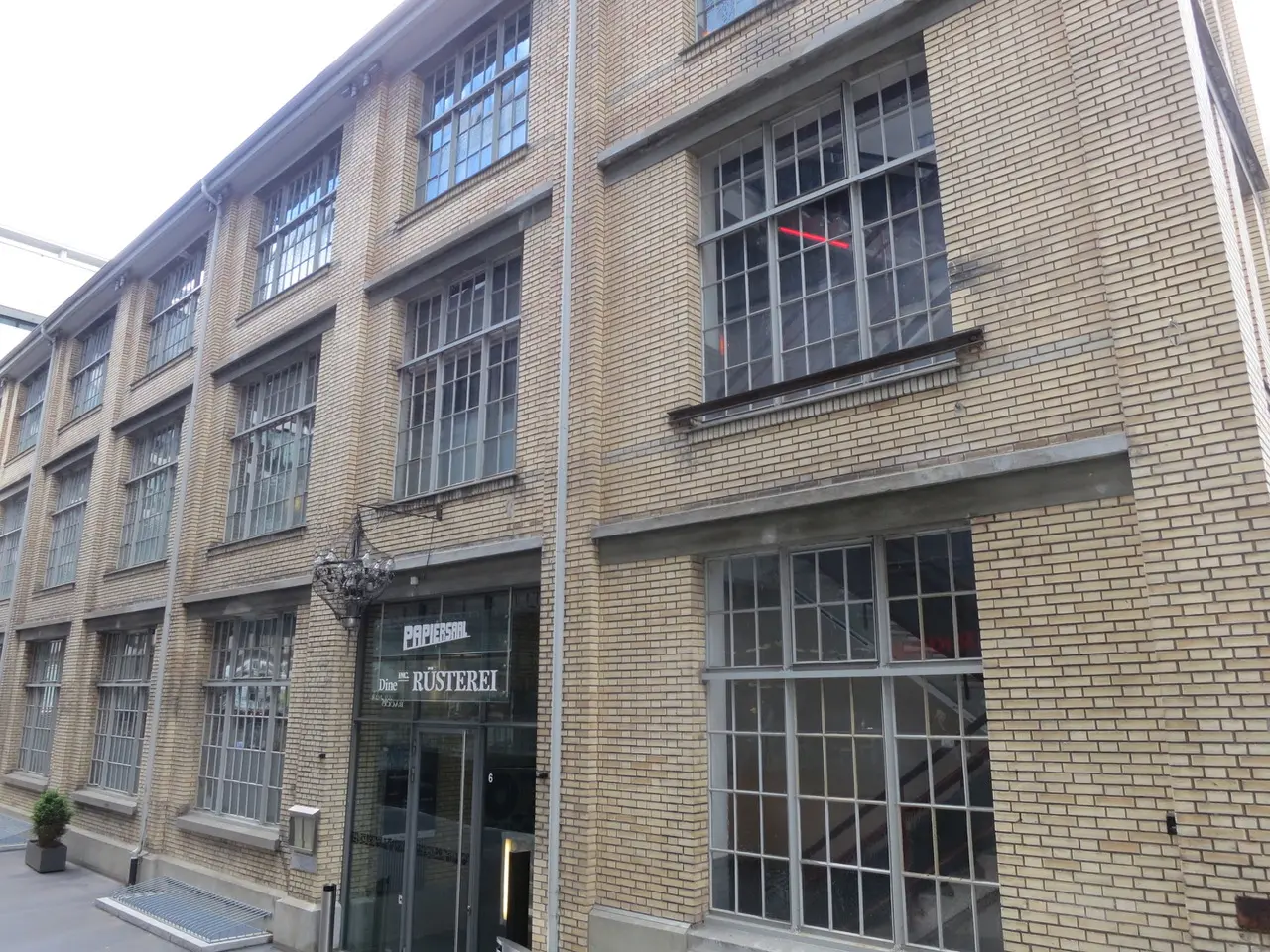
So the fact that SENS7 takes place in a former paper mill, of all places, is more than a nice story. It fits our conviction that brands must not only be visible but something you can experience.

Where paper was once refined, marketing now comes to life
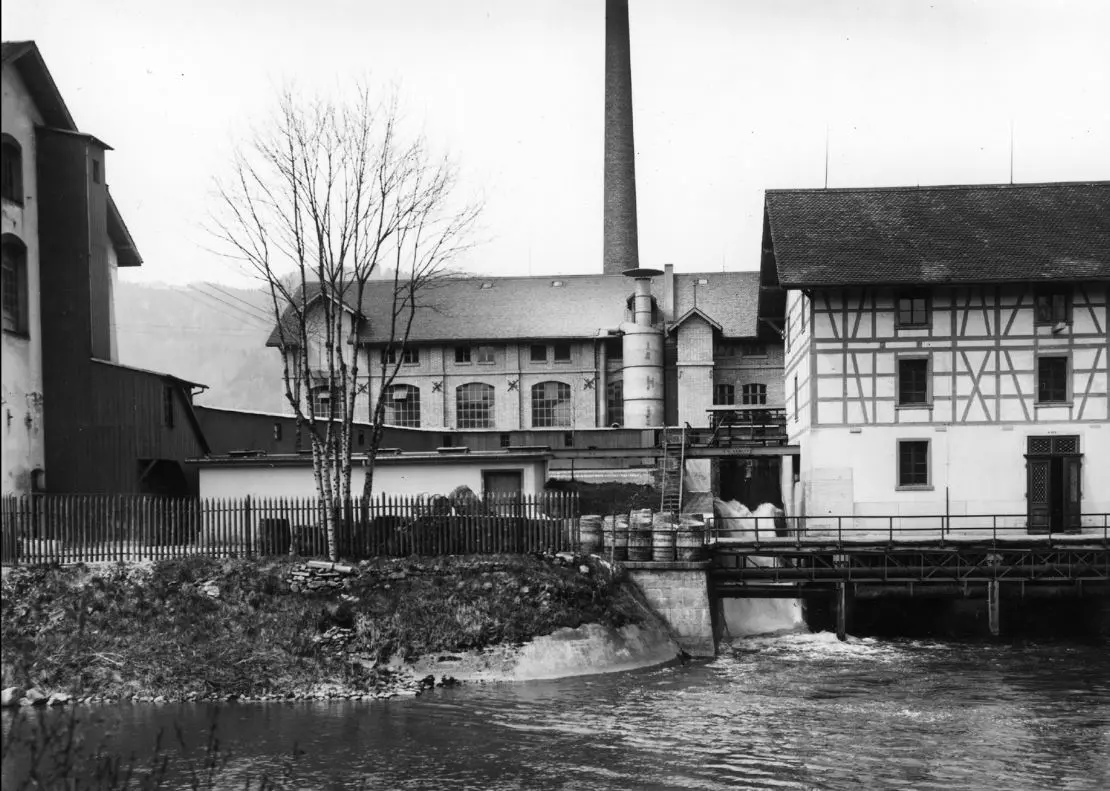
Right in the middle of Zurich, on what is now the Sihlcity site, the story of the mechanical paper mill on the Sihl began in 1836. For many decades paper was made, processed and refined here.
Even back then, paper was far more than a white surface. Different finishes, textures and materials defined its character. The mill produced high-quality speciality papers, including paper for banknotes, passports and technical uses.
There is even a fascinating detail hidden in the name of the square: Kalanderplatz. A calender feeds paper between rollers. Pressure and heat change its surface, making it smoother and glossier.
It sounds technical, but it has a lot to do with one of our most important senses: touch. Because how something feels also shapes how we perceive it.

Digital is good. But digital alone?
No question: digital communication is part of everyday life. It is fast, efficient and delivers a reach earlier generations could only dream of.
But reach alone does not build a relationship. A million impressions do not automatically mean a million lasting impressions. And a click is a long way from an experience.
Not just: how many people saw our message? But: what did it spark in them?
Because in the end we are not communicating with algorithms. We are communicating with people. And people have senses. Several, in fact. ;-)
Why our brain likes to think with its hands
The idea that touch can shape our perception is not a romantic notion dreamed up by haptics enthusiasts. There is research on it.
In 2009, Joann Peck and Suzanne Shu studied how touching an object changes our sense of ownership. People who were allowed to touch a product were, under certain conditions, more likely to feel like its owner. For objects perceived as pleasant, their willingness to pay was in some cases higher too.
Of course that does not mean we want to buy everything we touch. But it shows how closely our senses can be tied to perception.
We should not only think about how a brand looks. But also about how it feels.
A brand is more than a logo
A familiar scent can bring back memories. Music changes the mood of a room. Materials shape our sense of quality. And sometimes it is only the interplay of different sensory impressions that decides how we experience a brand.
That is what makes multisensory marketing so fascinating. It is not about overwhelming as many senses as possible at once. It is about using them deliberately and meaningfully.
A brand should not just look good. It should feel right, too.
Not in the mood for yet another traditional trade fair?
That conviction is exactly why SENS7 was created. We did not want another event where as many products as possible sit side by side on tables. No endless catalogues. And no box-ticking your way past stand after stand.
Instead, we wanted a place where marketing decision-makers, creatives and innovative suppliers discover together what multisensory communication can achieve.
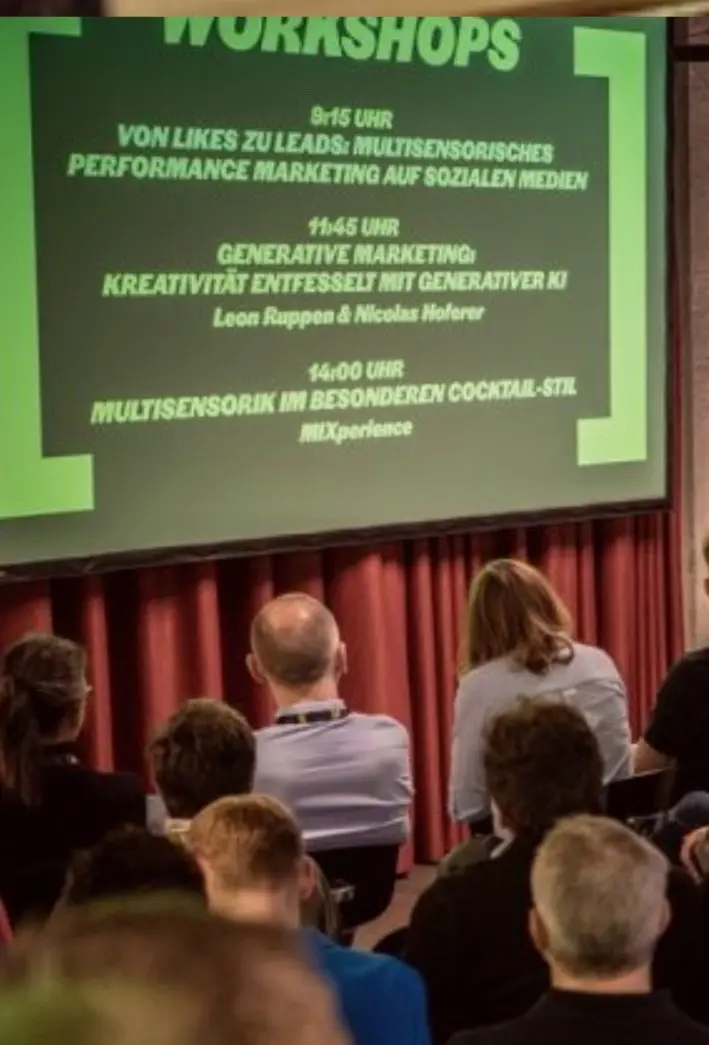
A festival instead of a traditional trade fair. With hand-picked exhibitors, workshops, talks and, above all, experiences. A place to try things out, touch, question and discuss. And sometimes simply to marvel.
Back to the old paper mill
And so we come full circle. Where paper was once smoothed, cut and refined, today we explore how brands can make an impact through our senses.
That is why the Papiersaal is much more than an event venue for us. It is a place with history, character and a special atmosphere. And a fitting stage for a festival that puts human perception at its centre.
Because for all the digitalisation, one thing holds true: we humans are not click machines. We want to discover, feel and experience.
Less blah. More aha.
Maybe we should spend a little less time debating the next million impressions. And more time on how we really reach people. With ideas that surprise. With materials that delight. With encounters that inspire. And with brand experiences that last.
Less giveaway. More impact.
Cover image and photos of SENS7 2026: SENS7.
Sources